
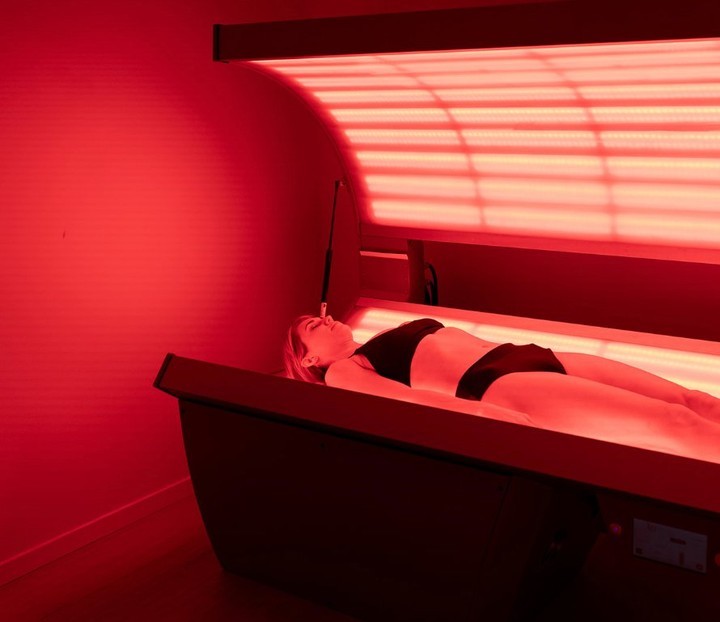
Photobiomodulation therapy, also known as low-level light therapy or cold laser therapy, is a non-invasive treatment that uses specific wavelengths of light to help reduce pain, inflammation, and promote tissue healing. This therapy has been gaining popularity in recent years for its effectiveness in treating a variety of medical conditions, including musculoskeletal injuries, chronic pain, neurological disorders, and even skin conditions.
By stimulating cellular repair and regeneration, photobiomodulation therapy can help accelerate the body’s natural healing processes. It is a safe and gentle treatment option that has been shown to have minimal side effects and can be used alone or in combination with other therapies to enhance their effectiveness. In this article, we will explore the science behind photobiomodulation therapy, its potential benefits, and how it is being used in various medical settings.
Applications of Photobiomodulation Therapy
From improving wound healing to reducing inflammation in arthritic joints, photobiomodulation therapy offers a wide range of applications in the medical field. One notable use of Photobiomodulation Therapy is in dermatology, where it has been found to be effective in treating acne, psoriasis, and other skin conditions. By stimulating collagen production and improving blood circulation, this therapy can help rejuvenate the skin and promote a more youthful appearance.

Advantages and Effectiveness of Photobiomodulation Therapy
The advantages of photobiomodulation therapy are vast, with minimal risks and side effects compared to traditional treatments. Studies have shown that this therapy can effectively reduce pain, inflammation, and edema while accelerating tissue repair processes. Whether used as a standalone treatment or in conjunction with other therapies, Photobiomodulation Therapy has proven to be a safe and efficient option for patients seeking natural healing methods. Its ability to promote cellular regeneration makes it a promising treatment for various medical conditions, showing great potential in improving patient outcomes and quality of life.
In conclusion, photobiomodulation therapy continues to show promise as a non-invasive and effective treatment option for a variety of medical conditions. Its ability to stimulate cellular repair, reduce pain, inflammation, and promote tissue healing makes it a valuable tool in improving patient outcomes and quality of life. With minimal risks and side effects, this therapy can be used alone or in combination with other treatments to enhance their effectiveness. As research in this field continues to grow, the applications and benefits of photobiomodulation therapy are likely to expand, offering patients a natural and safe alternative for healing and recovery.