
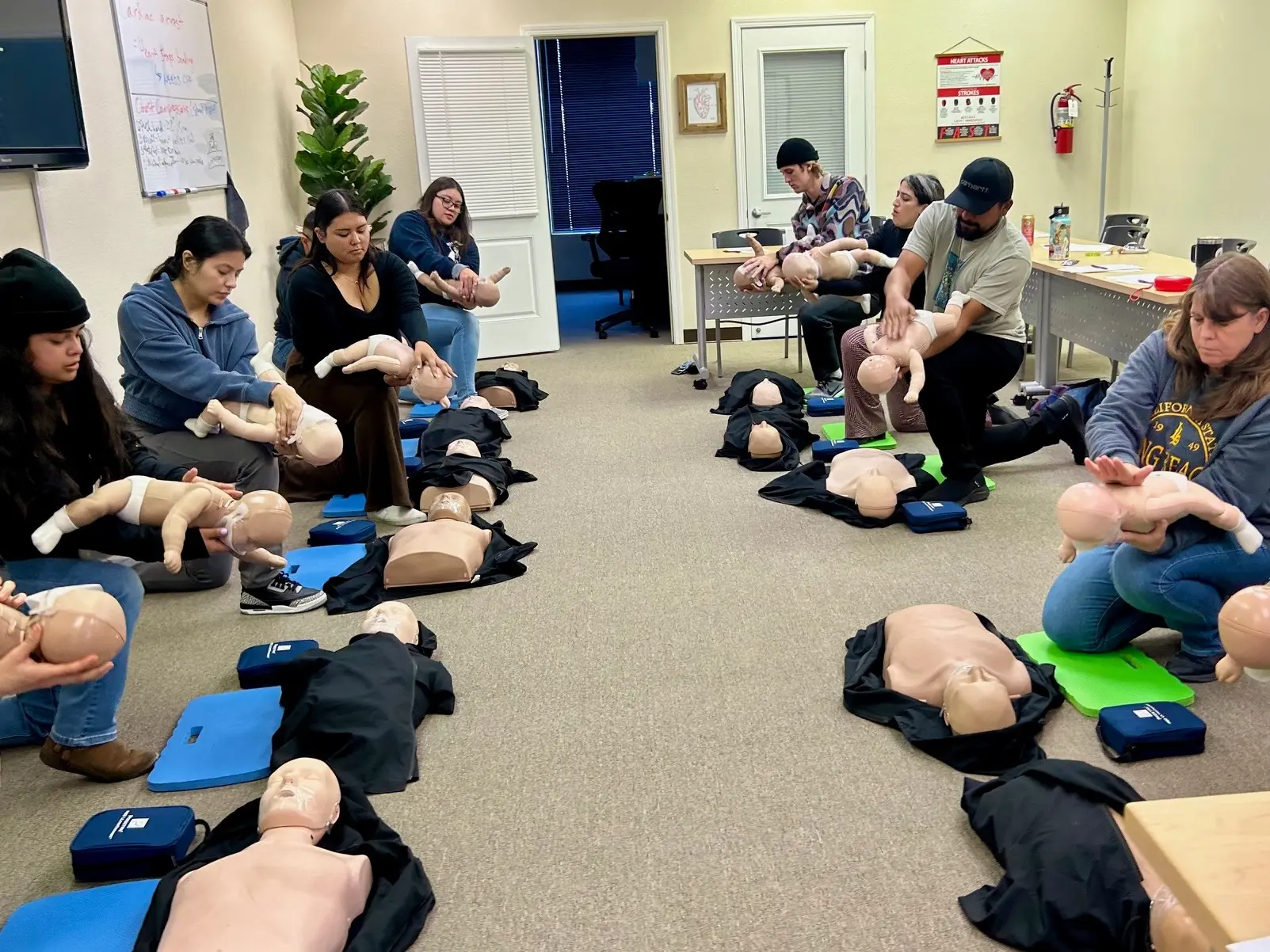
In a world where emergencies can strike at any moment, having the knowledge and skills to respond effectively can make a life-saving difference. First aid training equips individuals with the essential techniques and confidence needed to handle medical emergencies ranging from minor injuries to critical situations. By learning how to assess a situation, perform CPR, manage wounds, and apply other life-saving procedures, participants are empowered to act decisively during stressful times.
Beyond the immediate benefits of saving lives, first aid training fosters a greater sense of community and responsibility. Whether at home, work, or in public spaces, individuals trained in first aid create safer environments for everyone. The importance of this training cannot be overstated, as it not only prepares people to help others but also enhances personal growth, teamwork, and awareness in crisis management. As we delve deeper into the significance of first aid training, we will explore its vital components, benefits, and how to seek out the right programs.
Essential Components of First Aid Training
First aid training covers a wide array of topics, ensuring that individuals are well-prepared to address various emergencies. Key components include basic life support techniques such as cardiopulmonary resuscitation (CPR), the use of automated external defibrillators (AEDs), and the recognition of signs of stroke and heart attacks. Additionally, participants learn how to manage wounds, control bleeding, and treat injuries like fractures or burns. The hands-on experience gained through simulations and practical exercises is invaluable, as it builds muscle memory and enhances retention of the knowledge acquired. To gain these essential skills, individuals can enroll in reputable programs offering firstaid training tailored to various skill levels.
The Impact of First Aid on Community Safety
The presence of trained individuals can significantly enhance safety in communities, workplaces, and public gatherings. When more people possess first aid knowledge, the chances of prompt and effective response increase during emergencies. This not only helps to reduce the severity of injuries but can often mean the difference between life and death. Additionally, first aid training encourages a culture of preparedness, promoting awareness and proactive measures to prevent accidents and injuries. Participants often find themselves fostering a spirit of cooperation and mutual support, creating a more resilient community capable of facing unforeseen challenges.
In conclusion, first aid training is a crucial investment in both individual empowerment and community resilience. By equipping people with the skills to respond swiftly and effectively to emergencies, we not only enhance safety but also cultivate a culture of care and responsibility. The ability to perform first aid can turn ordinary citizens into life-saving heroes, capable of making a profound impact when it matters most. As we continue to prioritize this essential training, we strengthen our connections with one another, ensuring that we are all prepared to support each other in times of crisis. Ultimately, first aid training not only saves lives but also enhances the quality of life, fostering a spirit of solidarity and preparedness that benefits everyone.